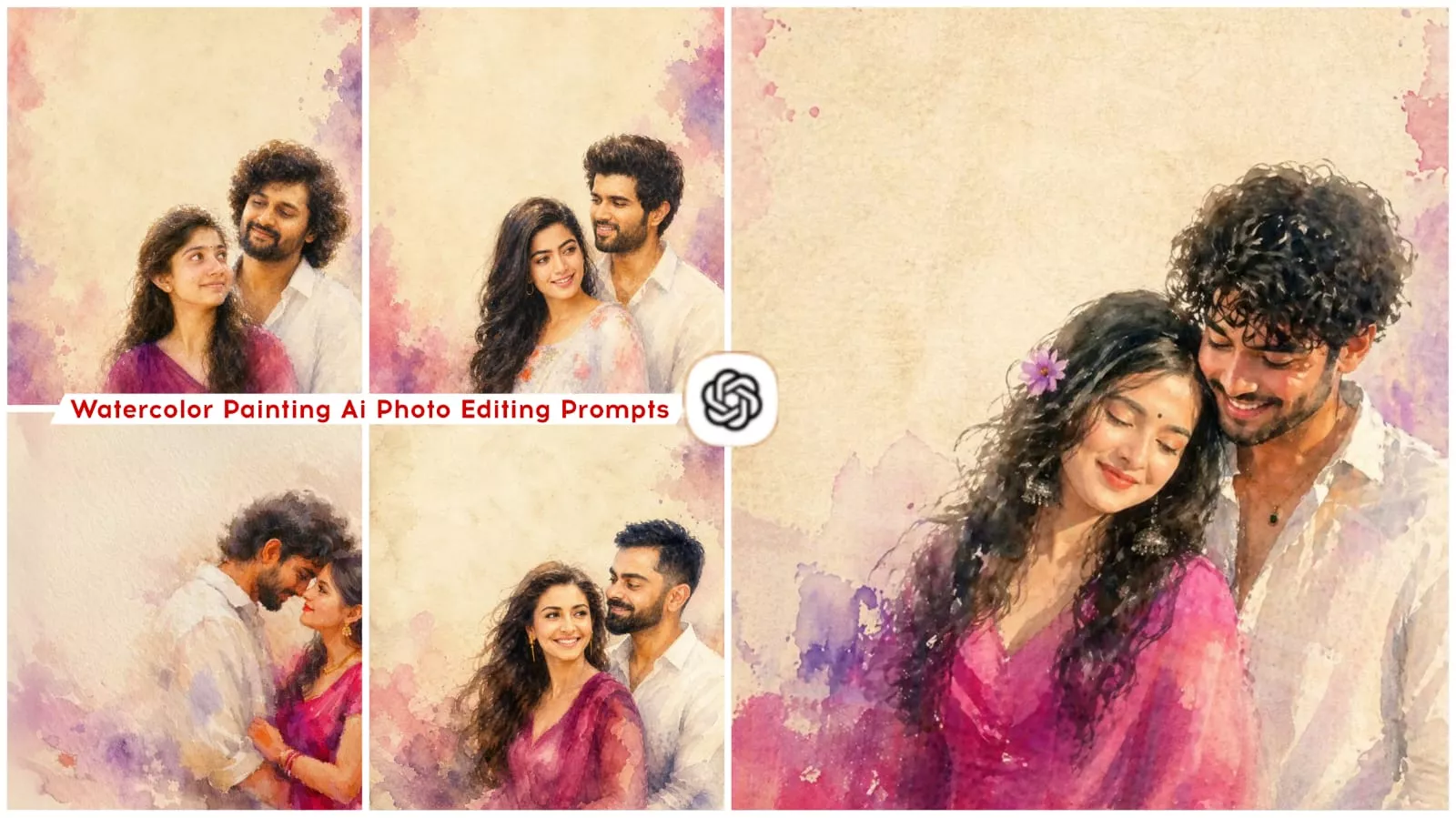
Watercolor Painting Ai Photo Editing Prompts – In today’s digital landscape, if you browse through social media, you will notice that photos styled as watercolor paintings are gaining immense popularity. Creating them is, in fact, one of the easiest tasks nowadays. At first glance, you might assume that these images were meticulously crafted as actual paintings; however, that is not the case. We will be generating them using an AI tool—which is truly remarkable—because attempting to create such realistic-looking images manually would be incredibly difficult. While it is possible to create them using tools like Photoshop, doing so requires a high level of technical skill as well as a significant time commitment. If you lack either the time or the skills, you can simply follow the method outlined in this article. Virtually everyone on social media who is currently creating these types of images is utilizing this very same technique.
Details Of Watercolor Painting Ai Photo Editing Prompts
Watercolor editing essentially involves transforming a photograph into a painting—specifically, converting it into a watercolor-style image. The defining characteristic of this technique is that the colors within the photograph appear to flow and blend into one another. If you are able to create an image with this aesthetic, it is what we refer to as a “watercolor effect.” In this style, you will not find sharp edges; instead, the colors appear soft, fluid, and diffused. The fine details of the image become softened, and—most importantly—this very quality constitutes its unique beauty. It is this distinct aesthetic that transforms the photograph into a watercolor painting, giving it a look that is both unique and visually striking.
Some Mistake You Should Avoid
The biggest mistake people make here is simply typing a direct command—such as, “Give me a watercolor painting.” The result is a generic output where the tool merely applies standard effects, often leaving you unsatisfied with the final image. Instead, you need to specify exactly how you want the photo to look—how soft, how textured, or how detailed it should be. First and foremost, you must decide on the specific aesthetic you are aiming for. Do you want the style to be dreamy, romantic, or realistic? Once you have settled on the desired look, you can proceed with the editing process. At that stage, selecting the right source photo becomes crucial; if you choose the appropriate image, your final result will be absolutely stunning.
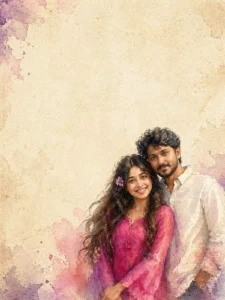
A romantic impressionist watercolor painting of a young couple standing close together in an intimate pose. The girl is looking up at the boy with love, while the boy gently looks down at her. The girl has long dark hair with a purple flower tucked near her ear, wearing a bright magenta dress. The boy is wearing a simple white shirt. The painting style is loose, blurry, and emotional, with soft brush strokes and smudged edges, giving a dreamy unfinished look.Background is minimal and plain textured beige paper, like vintage parchment, with lots of empty space above the couple. The couple is placed at the bottom-right corner, leaving wide negative space for text. Soft pastel watercolor splashes in purple and pink appear around the edges.Style: expressive watercolor + sketch wash, romantic cinematic mood, soft focus, painterly texture, gentle lighting, 4K high resolution, Instagram reel aesthetic.
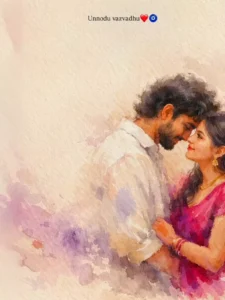
A romantic impressionist watercolor painting of a young couple standing close together in an intimate pose. The girl has long dark flowing hair with a small purple flower tucked near her ear, wearing a bright magenta dress that softly blends into the watercolor texture. The boy is dressed in a simple white shirt. The painting style is loose, blurry, and emotional, with soft brush strokes, smudged edges, and a dreamy unfinished look. The watercolor effect should feel expressive and fluid, with gentle color bleeding and natural paper texture visible. Background is minimal - plain textured beige paper like vintage parchment, with large empty negative space above the couple. The couple is positioned at the bottom-right corner of the frame, leaving wide space for text. Soft pastel watercolor splashes in purple and pink appear subtly around the edges.
How to Customize Details Setting In prompts
Style Control teaches you how to edit your photos while maintaining precise control over their artistic style. To begin with, under the customization settings, you will learn that you need to input specific text prompts here—for instance, “Soft Pastel Watercolor.” You will find various other watercolor options available as well, including styles such as “Dark Mode,” “Paint Splash,” and “Minimal Line.” You are free to utilize any of these options. Next, you need to refine the output to achieve perfection; specifically, you should aim for a “Real Art” aesthetic. For example, if you simply write “Perfect Output,” the result will be generated in a standard, generic manner; however, if you specify “Real Art,” the output will be rendered with superior artistic quality. Within the prompt, you should also incorporate details regarding the brushwork—such as “Brushstrokes,” “Paint Splashes,” or other “Organic Textures.” The more detailed and specific your prompt is, the higher the quality of the resulting image will be. I have outlined this process primarily for those who wish to experiment and create something truly unique on their own. However, if you prefer to replicate the exact style of the photo I demonstrated earlier, I have provided the specific prompt for it; you can simply use that prompt to generate your image.
How To Create Image Using Chatgpt
Now, to create this image, you will need to use a tool like ChatGPT. You simply need to open ChatGPT. Click on the “plus” icon to upload your photo, and then paste the prompt. You do not need to do anything else. However, make sure to do one thing first: select the “Create Image” option. This ensures that the tool interprets your input as an image generation request. Otherwise—if you don’t select this option—you might encounter issues where the AI misinterprets your instructions, offering suggestions like “do this” or “do that” instead of generating the image. When you select the “Create Image” option, paste the prompt, and hit generate, it will produce your photo absolutely perfectly.